




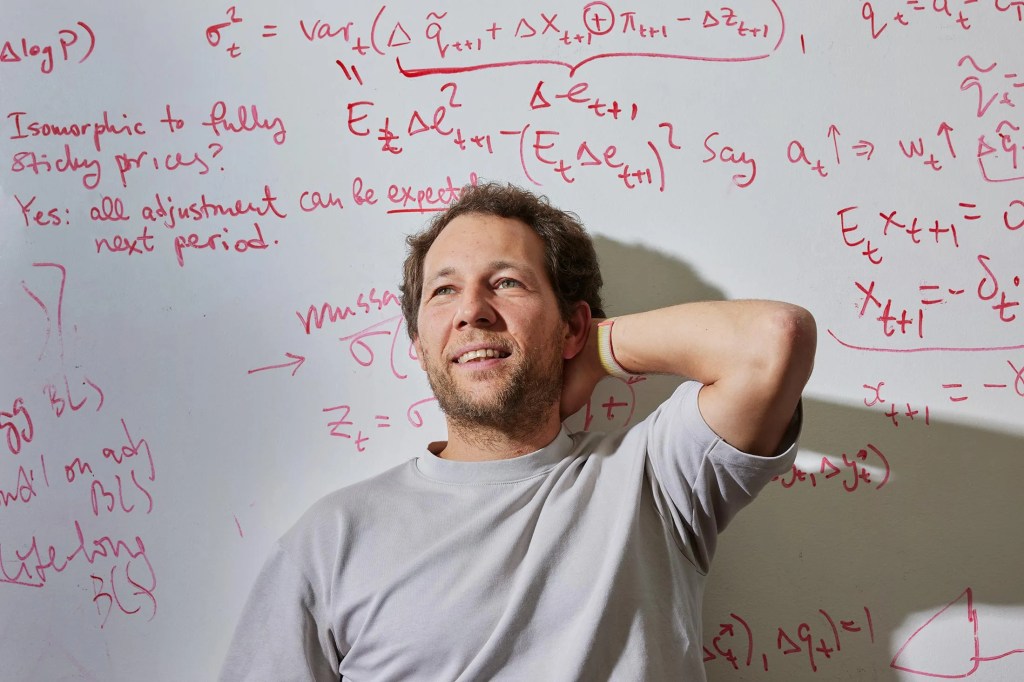
Prof. Oleg Itskhoki
Prof. Oleg Itskhoki is the Slusky Family Professor of Economics at Harvard University. Previously, he held the Venu and Ana Kotamraju Endowed Chair in Economics at the University of California, Los Angeles, and was a Professor of Economics and International Affairs at Princeton University. He is a Fellow of the Econometric Society, an NBER research associate, and a CEPR research affiliate.
He is the 2022 John Bates Clark Medalist, a participant of the Review of Economic Studies Tour, a Sloan Fellow, a recipient of the Excellence Award in Global Economic Affairs from the Kiel Institute for the World Economy, and was on the IMF’s list of 25 influential economists under the age of 45.
HIs research interest are in macroeconomics and international economics, where he studies globalization and labor markets, and currencies and exchange rates, as well as other topics.
He completed his PhD from the Harvard University in 2009. His thesis titled, “International Trade and Labor Markets: Unemployment, Inequality and Redistribution“
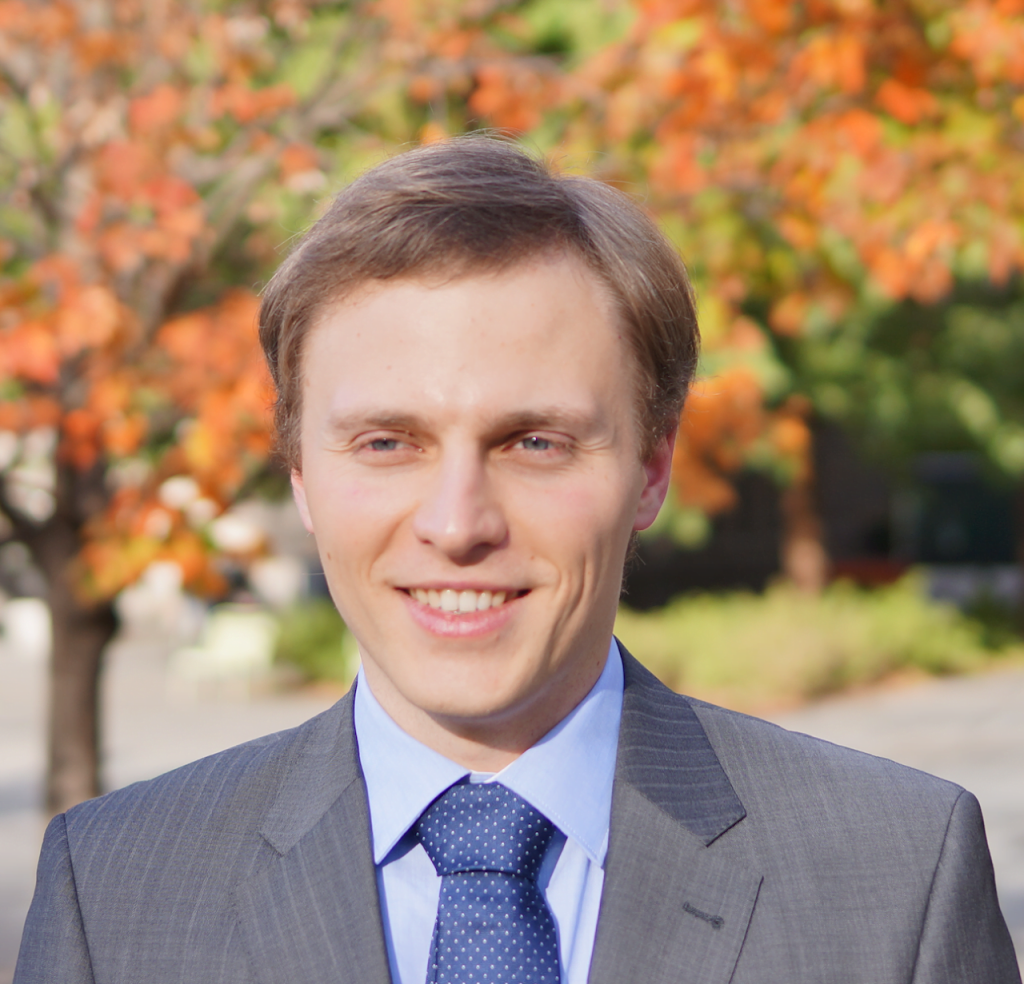
Prof. Dmitry Mukhin
Prof. Dmitry Mukhin is an Associate Professor at the London School of Economics and Political Sciences. He has served various academic positions at LSE, University of Wisconsin-Madison, and Yale University.
He is also a research affiliate of the Centre for Economic Policy Research (CEPR) and an associate at the Centre for Macroeconomics (CFM). He serves on the editorial boards of the Review of Economic Studies, the Journal of International Economics, and the IMF Economic Review, and is a recipient of the Kiel Excellence Award and the Robert Lucas Prize. His research focuses on exchange rates, the international monetary system, and optimal monetary, fiscal, and trade policies in open economies.
He completed his PhD from the Princeton University in 2018 under the supervision of Prof. Oleg Itskhoki.
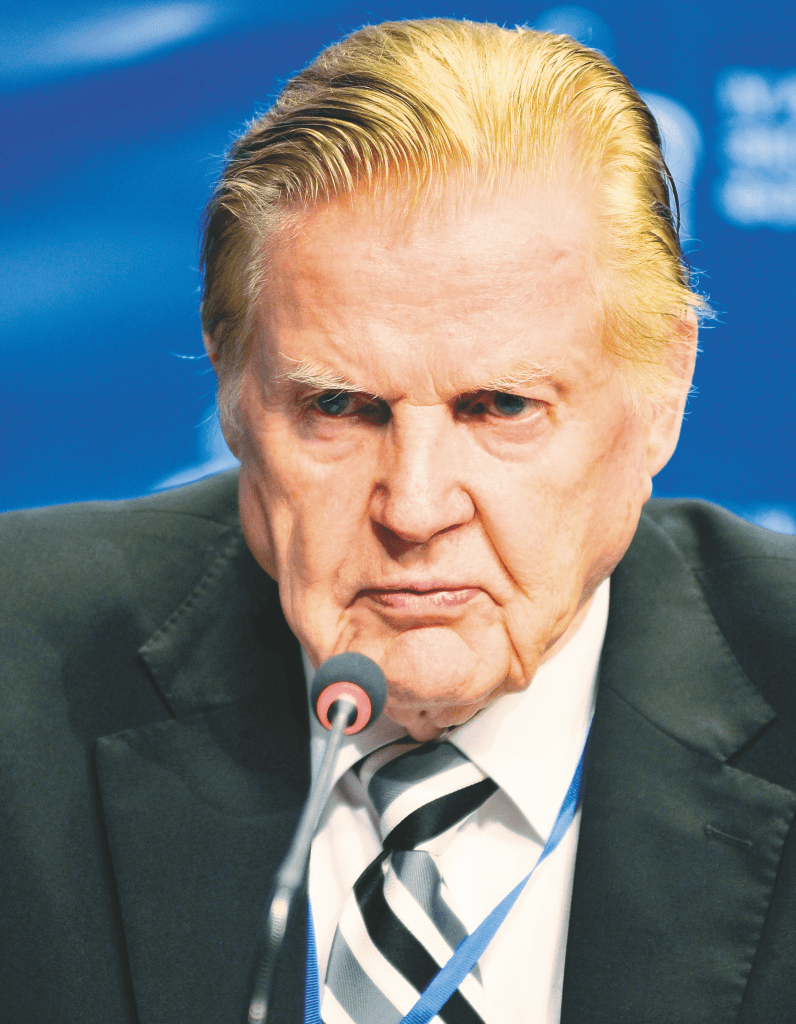
Prof. Robert A. Mundell (October 24, 1932 – April 4, 2021)
Prof. Robert Alexander Mundell CC, was a world’s leading Canadian economist and writer who was a professor of economics at University of Chicago, Columbia University, McGill University, and the Chinese University of Hong Kong.
He received the Nobel Memorial Prize in Economic Sciences (1999) for his pioneering work in monetary dynamics and optimum currency areas.
“for his analysis of monetary and fiscal policy under different exchange rate regimes and his analysis of optimum currency areas“
Mundell is known as the “father” of the Euro (€), as he laid the groundwork for its introduction through this work and helped to start the movement known as supply-side economics. Mundell was also known for the Mundell-Fleming model and Mundell-Tobin effect.
He completed his PhD from the Massachusetts Institute of Technology (MIT) in 1956. His thesis titled, “Essays in the theory of international capital movements.“
Prof. Peter D. Drysdale
Prof. Peter David Drysdale AO, is world’s leading Australian economist and writer. He is Emeritus Professor of Economics at the Sir J. G. Crawford School of Public Policy, Australian National University (ANU). He heads the East Asia Bureau of Economic Research and East Asia Forum at ANU. Widely regarded and recognized as the leading intellectual architect of Asia-Pacific Economic Cooperation (APEC). His research areas of interest include Asia Pacific Economic Integration and relations between East Asia, Europe, India, and APEC, International trade and economic policy, Japanese economy and economic policy, Foreign Direct Investment, and East Asia’s and China’s trade and transformation.
He completed his PhD from Australian National University (ANU) in 1956.
He can reached at peter.drysdale@anu.edu.au
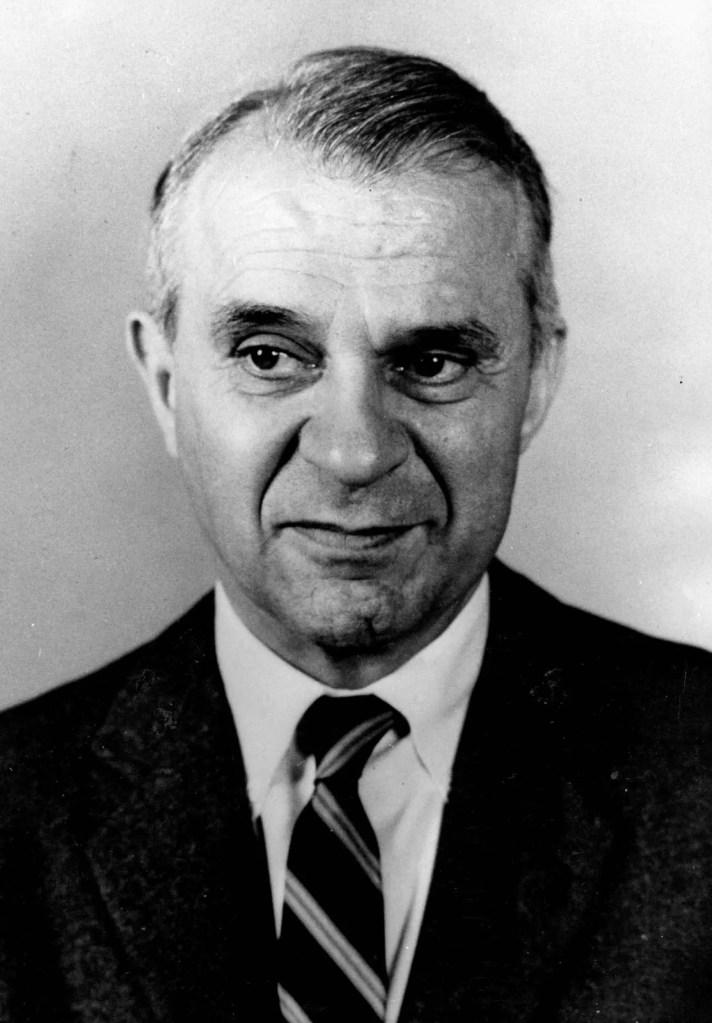
Prof. Wassily W. Leontief (August 05, 1905 – February 05, 1999)
Prof. Wassily Wassilyevich Leontief, was a world’s leading Soviet-American economist who was a professor of economics at Harvard University, University of Kiel, and New York University.
He received the Nobel Memorial Prize in Economic Sciences (1973) for his research on input-output analysis and how changes in one economic sector may affect other sectors, Leontief paradox.
“for the development of the input-output method and for its application to important economic problems“
Leontief is credited with developing early contributions to input–output analysis and was awarded the Nobel Memorial Prize in Economics for his development of its associated theory. He has also made contributions in other areas of economics, such as international trade where he documented the Leontief paradox. He was also one of the first to establish the composite commodity theorem.
Four of his doctoral students have also been awarded the prize (Paul Samuelson 1970, Robert Solow 1987, Vernon L. Smith 2002, Thomas Schelling 2005).
He completed his PhD in 1928 from Humboldt University of Berlin.

